Hedge Trimming in Primrose Hill: Expert Care for Beautiful, Healthy Boundaries
Why Hedge Trimming in Primrose Hill Matters for Every Property
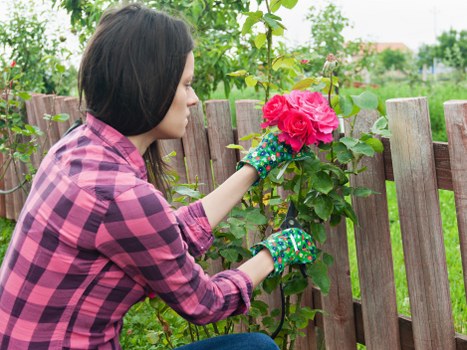
Hedge trimming in Primrose Hill is more than a routine garden task; it is a practical way to keep outdoor spaces neat, private, and full of life. In a neighbourhood known for elegant homes, charming terraces, and carefully kept green spaces, a well-shaped hedge can make a powerful first impression. Whether you are maintaining a compact front boundary or managing taller screening hedges at the back of a property, regular hedge trimming helps preserve both appearance and plant health.
Many property owners underestimate how much a hedge contributes to the overall feel of a garden. A tidy, level hedge can frame pathways, soften walls, and create a sense of order. On the other hand, an overgrown hedge can block light, spill into walkways, and look untidy. That is why hedge trimming in Primrose Hill is such an important seasonal and ongoing service for homes, flats, managed estates, and commercial spaces alike.
Professional trimming is not only about cutting growth back. It is about understanding the species, the season, the shape, and the desired outcome. From formal box hedges to informal evergreen screens, each plant responds differently. With the right approach, hedge trimming supports dense growth, healthier foliage, and a more polished finish that complements the character of Primrose Hill properties.
Understanding the Local Needs of Hedge Trimming in Primrose Hill

Primrose Hill presents a unique mix of gardening needs. Properties often have limited outdoor space, shared boundaries, or landscaped gardens that need to remain attractive all year round. In this setting, hedge trimming in Primrose Hill must be precise, careful, and adapted to urban conditions. Space is often at a premium, so hedges need to stay within boundaries without losing their shape or vitality.
Local weather patterns also play a role. Hedges in urban London can experience pollution exposure, uneven shade, and varying moisture levels depending on nearby buildings and tree cover. These factors influence how quickly a hedge grows and how often it should be trimmed. A smart trimming schedule takes into account the hedge type, the season, and how much light and airflow the garden receives.
Another key consideration is the visual style of the area. Primrose Hill is known for its refined, well-maintained outdoor spaces, and this makes presentation especially important. Clean lines, balanced proportions, and consistent growth all help gardens look cared for without appearing overly harsh. For many homeowners, hedge trimming is as much about maintaining curb appeal as it is about plant health.
Benefits of Regular Hedge Trimming
Regular hedge trimming in Primrose Hill offers a wide range of benefits that go beyond simple appearance. One of the biggest advantages is encouraging dense, even growth. When hedges are trimmed consistently, they produce more side shoots, which helps reduce gaps and creates a fuller look over time. This is especially useful for privacy hedges and boundary screening.
Trimming also improves airflow and light penetration. When too much growth is left unchecked, the interior of the hedge can become shaded and congested. This may lead to weak branches, patchy foliage, or an increased risk of disease. By keeping the hedge open and balanced, you support a healthier structure and reduce the chance of long-term problems.
There is also a major aesthetic benefit. A hedge that has been trimmed properly looks intentional and well cared for. It can frame flower beds, guide movement through a garden, and make compact spaces feel more organised. For landlords, homeowners, and property managers, hedge trimming in Primrose Hill is a practical way to protect property value and maintain a polished exterior.
- Encourages dense, attractive growth
- Helps preserve privacy and boundary definition
- Reduces the risk of disease and dieback
- Keeps outdoor spaces tidy and manageable
- Enhances the overall appearance of the property
Common Hedge Types Found in Primrose Hill Gardens
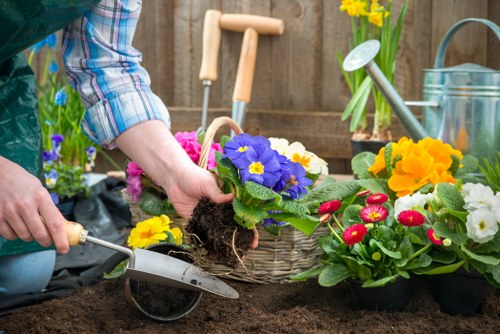
Different hedges require different trimming methods. In Primrose Hill, some of the most common varieties include box, privet, yew, laurel, beech, and mixed evergreen hedges. Each of these plants has its own growth habit and preferred timing for trimming. Knowing the type of hedge is essential before any cutting begins.
Box hedges are often used for low formal borders and need careful shaping to maintain clean edges. Privet grows quickly and can become unruly if not trimmed regularly. Yew responds well to clipping and can be shaped into strong architectural forms. Laurel hedges are broader and more vigorous, so they often need a different technique to prevent rough edges and patchy regrowth.
Beech hedges are popular for their seasonal colour and dense structure, while mixed hedges may contain several species that each need a slightly different approach. Hedge trimming in Primrose Hill is most effective when the work is tailored to the plant rather than treated as a one-size-fits-all job. That attention to detail ensures a more attractive and longer-lasting result.
When to Schedule Hedge Trimming in Primrose Hill
Seasonal Timing and Growth Cycles
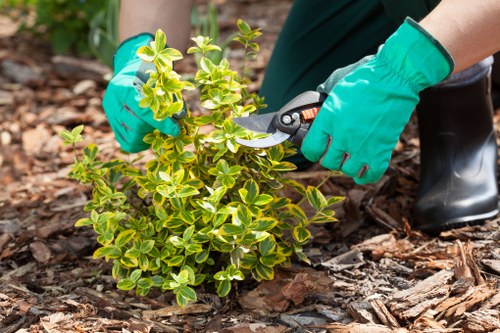
Timing matters a great deal when it comes to hedge trimming in Primrose Hill. Trim too early, and tender new growth may be damaged by cold weather. Trim too late, and birds, pollinators, or seasonal growth cycles may be affected. In most cases, hedges benefit from at least one main trim per year, while faster-growing varieties may need attention two or three times annually.
Spring and late summer are common trimming windows, depending on the hedge species. Spring trimming can help shape growth as the season begins, while late summer work can tidy up strong seasonal expansion. Some hedges, such as formal box or yew, may also need light maintenance trims throughout the year to keep their lines sharp and even.
It is always wise to observe the hedge before deciding on a schedule. Signs that trimming is needed include uneven height, branches encroaching on paths, patchy light levels, and visible loss of shape. A well-timed trim keeps the hedge under control without stressing the plant, which is why experienced hedge trimming in Primrose Hill focuses on both appearance and plant health.
How Professional Hedge Trimming Improves Results
While some property owners may attempt DIY hedge cutting, professional hedge trimming in Primrose Hill often delivers a cleaner, safer, and more reliable result. Skilled hedge care involves more than simply cutting back growth. It requires the use of appropriate tools, correct angles, an understanding of plant structure, and attention to safety and access.
Professionals know how to shape hedges so that the top does not become wider than the base. This is important because a hedge with a narrower top and broader lower section receives more even light, which helps reduce thinning at the bottom. This small but important detail often makes the difference between a hedge that looks good for a few weeks and one that stays healthy through the season.
Another benefit is consistency. A trained hedge trimmer can maintain long runs of boundary hedging to the same height and depth, creating a balanced look from end to end. For properties in Primrose Hill where presentation matters, that consistency is highly valuable. It also saves time and reduces the risk of accidental damage to nearby plants, fencing, or paving.
Techniques Used in Hedge Trimming in Primrose Hill

There are several techniques used in hedge trimming, and the best one depends on the hedge style and the desired outcome. Formal hedges are usually clipped for sharp, geometric lines. Informal hedges may be trimmed more lightly to preserve a softer, natural shape. Overgrown hedges may need gradual reduction rather than severe cutting to avoid shock.
One important method is tapering, where the top of the hedge is kept slightly narrower than the base. This allows sunlight to reach lower branches and supports healthy foliage from top to bottom. Another approach is selective pruning, where specific stems are removed to improve shape or reduce congestion without affecting the entire hedge heavily.
For many gardens, hedge trimming in Primrose Hill also involves clearing away dead, damaged, or crossing branches. This helps improve structure and can reduce the chance of disease. A good trim should leave the hedge looking defined but not stripped, neat but still natural to the species.
Safety, Access, and Practical Considerations
Hedge trimming in Primrose Hill often takes place in tight spaces, near pavements, or around delicate landscaping. Because of this, safety and access are key concerns. Tall hedges may require secure ladders or specialist equipment, while work near public areas must be carried out with care to protect passers-by and nearby property.
It is also important to consider waste removal. Hedge cutting can generate a significant amount of clippings, especially during peak growth periods. Responsible trimming includes collecting, loading, and disposing of green waste properly. This keeps the garden tidy and avoids leaving debris that can block drains, damage lawns, or create slippery surfaces.
For shared gardens or properties with boundary hedges, communication with neighbours may also be necessary. A hedge that sits on a boundary line can affect both sides, so a planned, respectful approach helps avoid misunderstandings. Professional hedge trimming in Primrose Hill usually includes a careful assessment of these practical details before the work begins.
- Use appropriate tools for hedge height and density
- Protect nearby plants, paths, and structures
- Remove and dispose of clippings responsibly
- Check boundaries and shared access points
- Prioritise safe working methods throughout the job
Signs Your Hedge Needs Attention
Not every hedge needs the same level of care, but there are common signs that trimming is overdue. If the hedge has started to lose its shape, crowd pathways, or shade out surrounding plants, it is probably time to act. Dense upper growth with sparse lower foliage is another sign that the hedge may benefit from a proper trim and reshaping.
You may also notice that the hedge has become difficult to manage by hand or that previous trimming no longer gives a clean finish. In some cases, branches may have grown into gutters, over fences, or across driveways. When that happens, hedge trimming in Primrose Hill becomes not just an aesthetic choice but a practical necessity.
Regular checks make it easier to avoid a major cutback later. Light, routine maintenance is generally better than letting growth become excessive. A hedge that is trimmed on time will usually recover faster, retain better shape, and remain healthier across the seasons.
Choosing the Right Approach for Different Hedge Goals
Different properties have different priorities, and hedge trimming should reflect those goals. Some homeowners want sharp, architectural lines that suit a modern setting. Others prefer a softer, more natural screen that blends with surrounding planting. In both cases, hedge trimming in Primrose Hill can be adapted to match the overall garden style.
If privacy is the main concern, the hedge may need to be maintained at a steady height and trimmed to encourage thickness from the base upward. If the goal is to increase light, the hedge may be carefully reduced so it frames the space without creating excessive shade. If presentation is the priority, a more formal clipping style may be used to produce elegant, crisp edges.
Good hedge care is always about balance. It should support the hedge’s natural growth while also meeting the needs of the property. The most effective trimming plans are those that combine structure, health, and style in equal measure.
Useful considerations before trimming
- Hedge species and growth rate
- Desired shape and height
- Light levels and garden layout
- Seasonal timing and nesting activity
- Ease of access and waste removal
Why Local Knowledge Makes a Difference
Local knowledge can make a noticeable difference in hedge trimming in Primrose Hill. Gardens in this area may face unique challenges such as limited access, mature planting, narrow front spaces, or varying soil conditions. A service that understands these local conditions can work more efficiently and achieve a more suitable finish.
For example, some hedges in shaded courtyards may grow more slowly and need gentle, selective trimming. Others in open, sunny spots may require more frequent shaping to keep them under control. Understanding how urban microclimates influence growth helps avoid overcutting or undercutting the hedge.
Primrose Hill also includes properties where visual harmony matters a great deal. Hedges often sit alongside paving, railings, stone walls, or ornamental planting, so the trimming style has to suit the entire setting. That makes local experience especially useful when planning hedge trimming in Primrose Hill, because the work must feel integrated rather than isolated.
Maintaining Long-Term Hedge Health
Healthy hedges are easier to maintain and look better for longer. Consistent hedge trimming in Primrose Hill helps establish strong growth patterns, but aftercare matters too. Watering during dry spells, feeding where appropriate, and monitoring for pests or disease can all support recovery after a trim.
It is also important not to over-trim. Removing too much growth in one session can stress the hedge and lead to weak regrowth. A measured approach, especially for older or previously neglected hedges, is usually best. Gradual shaping over multiple sessions often produces a superior result and keeps the plant stable.
When a hedge is cared for regularly, the need for heavy corrective work decreases. That means less disruption, a better appearance, and a more manageable outdoor space. In this way, hedge trimming in Primrose Hill becomes part of a wider strategy for responsible garden maintenance rather than a once-off task.
Making Hedge Trimming Work for Busy Lifestyles
Many Primrose Hill residents lead busy lives and need garden care that is efficient, reliable, and low stress. That is one reason professional hedge trimming services are so valued. They save time, reduce effort, and ensure the work is completed to a high standard without the homeowner needing to manage every detail.
For rental properties, managed gardens, and second homes, regular trimming can be particularly useful. It helps keep the space presentable even when it is not visited daily. Well-kept hedges also contribute to a positive impression for visitors, tenants, or prospective buyers. In this sense, hedge trimming in Primrose Hill is both a maintenance service and a property enhancement measure.
If you want your garden to stay sharp, healthy, and easy to enjoy, do not wait until the hedge becomes overgrown. Book your service now to keep your boundaries looking their best and to preserve the value and character of your outdoor space.
Contact us today to arrange hedge trimming in Primrose Hill and keep your garden neat, private, and beautifully maintained throughout the year.
In summary
Professional hedge trimming in Primrose Hill helps create tidy, healthy, and attractive gardens that suit the area’s refined character. With the right timing, techniques, and local understanding, hedges can remain strong, balanced, and visually appealing across every season.