Common problems gardeners face in Primrose Hill terraces
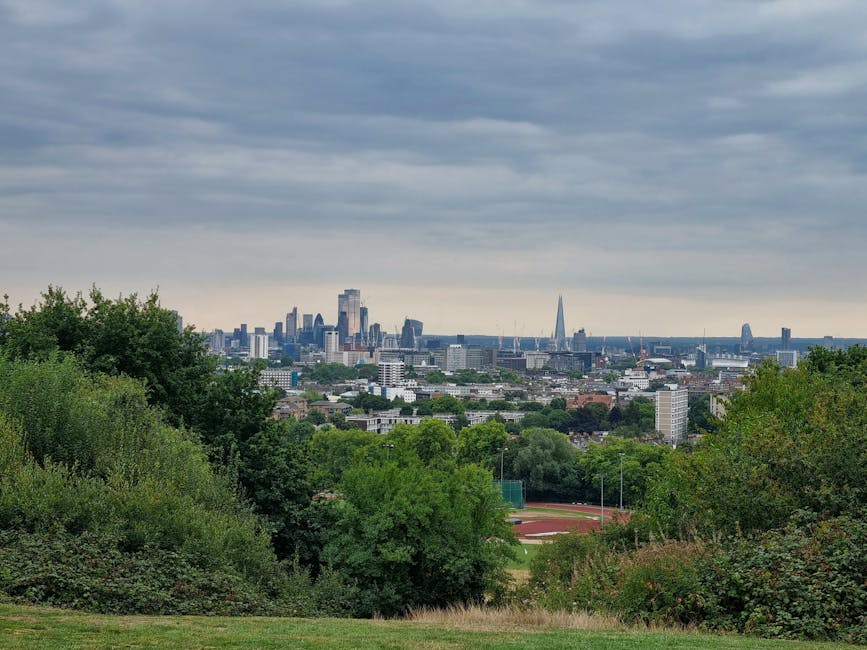
Terrace gardens in Primrose Hill can look elegant and effortless from the street, but behind the scenes they often ask a lot of the gardener. Limited space, awkward access, shade from neighbouring buildings, wind tunnelling between houses, and tired soil can turn a simple weekend tidy into a proper juggling act. If you have ever looked at a small paved plot or a narrow back garden and thought, "Why does this feel harder than it should?" - well, you are not alone.
This guide breaks down the Common problems gardeners face in Primrose Hill terraces, why they happen, how to deal with them, and which practical choices tend to work best in real UK conditions. We will cover the messy bits, the clever fixes, and the pitfalls people only notice after the first season. A lot of terrace gardens can be improved with a few smart decisions. Honestly, some of them just need the right sequence of jobs.
Why Common problems gardeners face in Primrose Hill terraces Matters
Terrace gardens in Primrose Hill are often compact, enclosed and exposed at the same time. That combination sounds odd, but it is very real. One side might be shaded by a tall house, another side could face brisk wind, and the soil may have been altered many times over years of planting, paving, and patch repairs. A garden like that does not forgive guesswork.
When the underlying issues are ignored, problems tend to stack up. Water sits where it should drain, roots struggle, moss spreads, borders thin out, and planting choices start failing for reasons that have nothing to do with "bad luck". In terraces, small weaknesses become obvious quickly because there is nowhere for the garden to hide. A patch of poor drainage, for example, can make a whole seating area unpleasant.
It also matters because these gardens usually serve more than one purpose. They may need to look good, provide privacy, support pets, give you a place to sit, and still remain manageable. That is a lot to ask from a narrow outdoor space. Get the basics right and the whole garden feels calmer. Get them wrong and you spend the year fighting the same issues.
Expert summary: In terrace gardens, the biggest wins usually come from improving drainage, choosing plants for the light levels you actually have, controlling height and spread, and making maintenance easier from the start.
How Common problems gardeners face in Primrose Hill terraces Works
Most terrace garden problems are the result of a few predictable forces interacting. Light, water, wind, access and soil structure are the main ones. In Primrose Hill terraces, those forces can be intensified by the way buildings are arranged close together. You may have deep shade in one corner, a surprisingly bright strip along a wall, and a draughty patio in the middle. The plant palette has to respond to all of that.
Drainage is a good example. In a terrace garden, the ground may be compacted by foot traffic or construction, or layered with old materials that stop water moving evenly. Add London rainfall and you can end up with waterlogged spots, even when the space looks small enough to dry out quickly. On the other hand, raised beds and containers can dry out fast if they are exposed to wind and reflected heat from brick walls.
Then there is maintenance access. Narrow side returns, steps, tight corners and awkward bin areas all make jobs slower. A hedge that would be easy enough in a big garden can become a weekly headache in a terrace. This is one reason services like regular garden maintenance and hedge trimming in Primrose Hill are often more about preventing problems than fixing them after the fact.
Terrace gardening also works on a timing issue. Many problems look minor in spring, then become obvious by late summer or after the first cold snap. So the trick is not just what you plant, but when you notice the pattern. That is a bit unglamorous, yes, but it saves a lot of stress.
Key Benefits and Practical Advantages
Dealing with terrace-garden problems early brings practical gains that are easy to feel day to day. The garden becomes easier to use, easier to clean, and easier to enjoy. There is less patchy growth, fewer emergency fixes, and fewer little corners that go from "fine" to "messy" in a couple of weeks.
- Better plant health: choosing plants for shade, wind or container conditions reduces stress and failure.
- Less maintenance time: the right layout and materials mean less weeding, pruning and sweeping.
- Improved privacy: narrow gardens can still feel secluded when screens, hedges and climbing plants are used well.
- More usable space: tidier circulation and smart zoning create room for seating, planting and storage.
- Longer-lasting surfaces: drainage and cleaning routines protect patios, paths and decking from grime and damage.
There is also a quieter benefit: confidence. Once you understand why things are struggling, you stop blaming yourself for every wilted leaf. That sounds small, but it changes how you care for the space. Instead of random remedies, you begin making deliberate choices. And that tends to work.
For ideas on making a compact plot feel intentional rather than cramped, it can help to look at container gardening in small spaces and vertical gardening techniques. Both approaches suit terrace layouts very well.
Who This Is For and When It Makes Sense
This topic is for anyone managing a terrace garden, courtyard, front patch, roof-adjacent plot, or narrow rear space in Primrose Hill. It is especially useful if your garden feels like it should be simple but somehow never is. That usually means you are dealing with more structure than surface area.
You will likely benefit from this advice if:
- your garden gets strong afternoon shade or only a few hours of direct light;
- you are losing plants to wind, drought, or soggy soil;
- you have ivy, self-seeders, or overgrown climbers taking over;
- you want privacy without making the space feel boxed in;
- you have children or pets using the garden and need safer, tougher planting;
- you are trying to reduce upkeep rather than add more chores.
It also makes sense if you are planning a refresh rather than a full redesign. A lot of terrace gardens do not need a dramatic overhaul. Sometimes they need one or two structural changes, a better planting scheme, and a more honest approach to upkeep. Truth be told, that is usually enough.
Step-by-Step Guidance
The best way to tackle terrace-garden problems is to work from the ground up. Start with the boring stuff first. It is rarely glamorous, but it is where the real improvement happens.
- Assess the light and exposure. Watch the garden at different times of day. Note where shade falls, where the wind hits, and which spots dry out fastest after rain.
- Check the soil and drainage. Dig a small test hole in a few areas. If water lingers, or roots struggle to penetrate, you may have compaction or poor drainage.
- Remove or control invasive growth. Ivy, bindweed, bramble and aggressive self-seeders often return unless handled properly. In some cases, permanent solutions are needed, not just a trim. A useful starting point is this guide to permanent ivy control.
- Decide what the garden must do. Is it for dining, kids, pets, herb growing, privacy, or all of the above? Be realistic. Too many terrace gardens fail because they try to do everything at once.
- Choose a structure that matches the space. Raised beds, containers, narrow borders, trellis panels, compact hedges and stepped planting all help when space is tight.
- Build maintenance into the design. Leave access for pruning, cleaning and watering. If you cannot comfortably reach a bed, it will become neglected. Simple as that.
- Set a seasonal rhythm. Spring planting, summer watering, autumn leaf clearing and winter protection should all have a place in your routine. A little planning now prevents frantic catch-up later.
If the garden needs a deeper reset before any of this makes sense, a structured garden restoration approach can help you rebuild from a better starting point.
Expert Tips for Better Results
In terrace gardens, the smart choices are often the quiet ones. A good result is rarely about a single dramatic feature. It comes from a series of sensible decisions that reduce friction everywhere.
1. Match plants to the real conditions, not the ideal ones
It is tempting to buy whatever looks good in the shop. We have all done it. But if a plant wants sun and your terrace gets shade by 2pm, it will never really settle. Shade-tolerant climbers, tough evergreens and reliable ground covers are often better performers. For inspiration, see evergreen climbers for shady spots and ground covers that soften difficult areas.
2. Think vertically before you think wider
When floor space is limited, walls and fences become part of the planting area. Trellis, climbers, narrow shelves and tiered pots can create a fuller, greener feel without blocking movement. This also helps with privacy, which is a frequent concern in terrace layouts. A careful hedge or screen can make a garden feel calmer almost overnight. For more on that, quick-growing hedges for privacy are worth a look.
3. Don't ignore wind protection
Wind can dry out leaves, snap stems and make a small garden feel oddly exposed. In terraces, it often funnels between buildings, so a sheltered corner may be more valuable than an open centre section. The answer is not always a solid barrier; it may be layered planting, partial screening or a change in layout. A good read on that topic is sculpting landscape to mitigate wind in gardens.
4. Keep winter in mind from the start
Many terrace gardens look fine in July and then collapse into a soggy, tired mess once temperatures drop. Choose plants and materials that cope with cold nights and wetter conditions. If you need a refresher, winter plant care guidance is a practical place to start.
5. Use simple furniture and seating zones
A terrace garden can feel crowded very quickly. Compact furniture, folding seats and soft edges help the space breathe. If your seating area is working too hard, the whole garden feels smaller. The point is comfort, not cramming. The article on garden seating arrangements is useful if you are planning that part of the layout.
A final small tip: if you are not sure where to begin, start with the bit that annoys you most. Usually that is where the biggest improvement is hiding. Funny how that works.
Common Mistakes to Avoid
Terrace gardens punish optimism when it is not backed by observation. That sounds harsh, but it is true. The most common mistakes are usually easy to spot once you know what to look for.
- Planting for the catalogue, not the garden: beautiful plants fail if they do not suit shade, wind, or dry conditions.
- Overcrowding the space: too many pots, ornaments, and furniture pieces make maintenance awkward and movement clumsy.
- Ignoring access to water: if watering is inconvenient, the garden becomes unreliable in hot spells.
- Letting climbers run unchecked: many terrace gardens get swallowed by ivy or vigorous growth faster than expected.
- Choosing hard surfaces without drainage thinking: patios and decking need proper care, or they become slippery, stained or waterlogged around the edges.
- Forgetting seasonal cleanup: leaves, moss and debris build up quickly in enclosed spaces.
One of the most frustrating mistakes is treating a maintenance issue as if it were a design issue, or the other way round. If the soil is poor, no amount of decorative planting will fix it. If the layout is cramped, a few extra shrubs will not magically open it up. Start with the actual problem. Not the stylish version of it.
Tools, Resources and Recommendations
Good tools do not make the garden for you, but they do make the work less awkward. In terrace gardens, that matters because access is tight and repetitive hand work adds up. A few well-chosen items are often better than a big pile of gadgets.
- Bypass secateurs: for clean cuts on stems and small branches.
- Long-handled loppers: useful where borders are narrow but pruning is frequent.
- Hand fork and hand trowel: ideal for containers, edging and small repairs.
- Watering can or compact hose setup: especially helpful where tap access is awkward.
- Garden gloves and kneeler: small comfort items that make repetitive work easier.
- Leaf rake and stiff broom: important for patios, paths and tight courtyard spaces.
- Compost bins or soil improvers: useful if your planting media needs rebuilding over time.
For broader guidance, the following topics are particularly relevant to terrace gardens: essential gardening tools, herb patch planting, and pet-friendly lawn choices if animals use the space.
Where surfaces need attention, supporting services such as patio cleaning and lawn care can be worth considering, particularly if moss, staining, or patchy growth are already becoming established.
Law, Compliance, Standards, or Best Practice
Most day-to-day gardening is not heavily regulated, but terrace gardens do intersect with a few important UK best-practice areas. The main thing is to avoid damaging shared structures, blocking drainage, or creating unsafe conditions for neighbours, visitors or contractors.
If a garden includes fencing, trees close to boundaries, or climbing plants on walls and structures, it is sensible to be careful about ownership, stability and maintenance responsibility. In London terraces, boundaries can be complicated, and a cautious check is better than an argument later. If a tree is large, leaning, diseased or interfering with structures, a professional opinion may be the safer move. That is where tree surgery support can become relevant.
For paved areas, decking and external features, the key expectations are usually straightforward: keep surfaces safe, maintain access, and deal with hazards before they become accidents. Wet leaves, loose boards, overgrown steps and hidden trip points should not be left to "sort themselves out". They rarely do.
Trustworthy garden work should also respect basic health and safety practices, especially where tools, ladders, sharp pruners or heavy materials are involved. If you are hiring help, it is reasonable to ask about health and safety approach, insurance and safety, and the terms around the work being carried out. Clear communication helps everyone.
For more formal site information, it can also be useful to understand terms and conditions and payment and security before arranging work. It is boring admin, yes, but the boring bits protect everybody.
Options, Methods, or Comparison Table
Different terrace-garden problems need different solutions. The table below gives a simple way to compare common approaches.
| Problem | Best approach | Why it works well in terraces | Watch out for |
|---|---|---|---|
| Poor drainage | Soil improvement, raised planting, drainage review | Prevents waterlogging in tight, compact spaces | Don't just add topsoil on top of compacted ground |
| Too much shade | Shade-tolerant planting and reflective design | Uses available light more efficiently | Sun-loving plants will keep underperforming |
| Wind exposure | Layered screening and resilient planting | Reduces drying and stem damage | Solid barriers can create turbulence if poorly placed |
| Privacy issues | Hedges, climbers, trellis and zoning | Builds seclusion without using too much floor space | Fast growers still need trimming |
| High upkeep | Low-maintenance planting and simpler layouts | Reduces weekly effort and seasonal stress | "Low maintenance" never means "no maintenance" |
If your garden is mainly decorative but currently overrun by weeds, you may also want a cleaner starting point with strategic weed control tips. It is a small job on paper. In practice, it changes everything.
Case Study or Real-World Example
Picture a typical Primrose Hill terrace: a narrow rear garden, a shaded wall on one side, a patio that stays damp after rain, and a fence line covered in old climbers. The owner wants somewhere to sit for coffee in the morning, a bit more privacy, and a garden that does not need constant rescuing.
The first change is not a plant purchase. It is clearing the old debris and checking what is actually thriving. A patch of ivy is cut back properly, the patio is cleaned, and the worst compacted soil areas are loosened and improved. The next step is to group the planting into three zones: a shady corner with evergreen structure, a sunnier section for pots and herbs, and a screened seating area with a couple of compact, reliable features.
Instead of filling every inch, the space is left with a little breathing room. That sounds almost too simple. But the result is a garden that feels calmer, looks larger, and is much easier to maintain. The owner stops fighting the same damp patch every month and starts enjoying the space again. That is usually the real goal, isn't it?
If a redesign like that feels familiar, a combination of landscaping support and routine upkeep through professional gardening services can make the difference between a garden that survives and one that genuinely works for daily life.
Practical Checklist
Use this quick checklist before you start making changes. It keeps the job grounded.
- Map where the sun falls during the day.
- Identify damp spots, dry spots and windy corners.
- Remove obvious invasive growth before replanting.
- Check whether containers and beds need better drainage.
- Decide what the garden is for first: seating, privacy, play, planting, or all four.
- Choose plants that match the actual conditions, not the ideal brochure version.
- Leave enough space to move, water and prune comfortably.
- Plan seasonal jobs: spring tidy, summer watering, autumn leaf clearance, winter protection.
- Think about safe access for tools, bins and maintenance work.
- Book help if the garden has structural, overgrowth or drainage issues you cannot fix alone.
For many people, this is the point where the garden stops feeling mysterious. You can see the pattern. You can work with it instead of against it.
Conclusion
The common problems gardeners face in Primrose Hill terraces are rarely random. They are usually the result of tight space, mixed light, tricky drainage, wind, privacy pressure and ongoing maintenance demands. Once you see those patterns clearly, the garden becomes much easier to manage. You do not need to "love gardening" in some grand sense; you just need a design and routine that fit the space you actually have.
Start small, stay realistic, and focus on the issues that keep repeating. That is where the real progress happens. A terrace garden does not have to be perfect to feel beautiful. It just has to work for the people using it.
And if the whole thing still feels a bit much, that is fair enough. Some gardens need a fresh pair of eyes and a practical plan. There is no shame in that at all.
Get a free quote today and see how much you can save.
Frequently Asked Questions
What are the most common problems in Primrose Hill terrace gardens?
The biggest issues are usually poor drainage, limited space, shade, wind exposure, invasive growth like ivy, and the challenge of keeping everything manageable without overcrowding the garden.
Why do terrace gardens in Primrose Hill struggle with drainage?
Terrace gardens often have compacted soil, paved areas, and awkward fall patterns that stop water moving freely. Even a small garden can stay damp if the ground structure is poor.
What plants work best in a shady terrace garden?
Shade-tolerant climbers, evergreen structure plants, and tough ground covers usually perform better than sun-loving varieties. The key is to match the plant to the actual light levels, not the label.
How do I make a small terrace garden feel bigger?
Use vertical planting, keep the layout simple, and avoid filling every available corner. A few well-placed features usually create a better sense of space than lots of small items.
Is ivy always a problem in terrace gardens?
Not always, but it can become a serious maintenance issue if it is left unchecked. On walls, fences and shaded boundaries, it may spread quickly and become difficult to remove without a proper plan.
How often should a terrace garden be maintained?
That depends on planting density and the season, but most terrace gardens benefit from light weekly attention and a more thorough tidy-up at key points in spring, summer and autumn.
Can I use hedges for privacy in a narrow terrace garden?
Yes, but choose carefully. Compact or quick-growing hedges can work well if they are kept trimmed and suited to the available space. Too much height or width can make the garden feel boxed in.
What should I do if my terrace garden gets strong wind?
Use layered screening, sturdy containers, and plants that can tolerate exposure. A solid barrier is not always the answer; sometimes a softer, more thoughtful arrangement works better.
When is it worth hiring professional help?
If the garden has overgrown ivy, poor drainage, awkward access, unsafe surfaces, or trees and hedges that need careful handling, professional help can save time and reduce mistakes.
Can patio cleaning really help with gardening problems?
Yes. Clean hard surfaces improve safety, reduce moss and grime, and make the whole garden feel more cared for. It also helps you see underlying problems more clearly.
Do terrace gardens need different care in winter?
Absolutely. Container plants, exposed borders and tender species often need more protection in cold weather. Wind and wet can be as damaging as frost in some spots.
What is the best first step if my terrace garden feels overwhelming?
Start with an honest assessment of light, drainage and overgrowth. Once you know what is causing the main problems, the rest of the plan gets much simpler.
Where can I find more help with terrace-garden planning?
It helps to look at related guidance on maintenance, pruning, planting and layout before making major changes. If you want a more tailored approach, speaking to a local gardener is often the most efficient next step.